Every move has a few boxes that matter more than the rest of the truck combined. The china that came over with your grandmother. The clock from your father’s study. The dresser that’s been in the family so long nobody remembers where it started. These pieces need a different level of care than the couch does — and they need you to do a little work before moving day, too, because the best protection for an heirloom starts before anyone touches it.
Photograph everything before it’s wrapped
Before a single pad goes on, walk through your home with your phone and photograph every antique from several angles, in good light, close enough to capture existing wear — the ring on the tabletop, the old repair on the chair leg, the hairline in the vase glaze. This isn’t about distrust. It’s documentation that protects everyone: it establishes the condition the piece was in when it left, which makes any later conversation about damage factual instead of foggy. If you ever do need to file a claim, those photos are the backbone of it — we walk through the whole process in how moving damage claims work. Date-stamped photos, a quick note of anything already imperfect, and you’re done in an evening.
Padding, wrapping, and when a crate is worth it
Most antique furniture travels well with professional soft protection: furniture pads secured with stretch wrap or bands, never tape on the finish itself — tape can lift old varnish and shellac in a way it never would on a modern factory coating. Marble tops, glass shelves, and mirrors come off and travel separately, padded and upright. Drawers are emptied so their weight doesn’t rack the case.
Crating is the next level up: a custom wooden box built around a piece for the ride. It earns its place for items that combine fragility with awkwardness — a large gilded mirror, a marble tabletop, a chandelier, stained glass, anything that can’t safely lean against something else in the truck. A good estimator will tell you honestly which pieces need a crate and which will be fine in pads; be wary of anyone who proposes crating everything or nothing.
Irreplaceable versus valuable
Here’s a distinction worth sitting with: some things are valuable, and some things are irreplaceable, and they’re not the same list. Valuation — the mover’s contractual liability for your goods — deals in money. Basic released value protection pays by weight alone, which on an interstate move means sixty cents per pound per article; fuller protection deals in an item’s actual value. For genuinely valuable pieces, declare them, choose your valuation level deliberately, and consider whether an appraisal makes sense before the move.
But no valuation level can restore your grandmother’s handwriting on the back of a photograph. For small items whose worth is purely sentimental — letters, photo albums, jewelry, a child’s first drawings — the honest professional advice is simple: carry them yourself. Put them in your own car, in a box you pack, and let the truck handle everything money can measure.
What good handling looks like on moving day
When the crew arrives, point out the heirloom pieces before work starts, not as each one comes by. A good foreman will note them, wrap them first or last depending on the plan, and load them where nothing shifts against them — padded, strapped to the truck wall, never buried under weight. If a piece needs disassembly, the hardware goes in a labeled bag that stays with the piece. None of this is exotic; it’s just care taken deliberately instead of by accident.
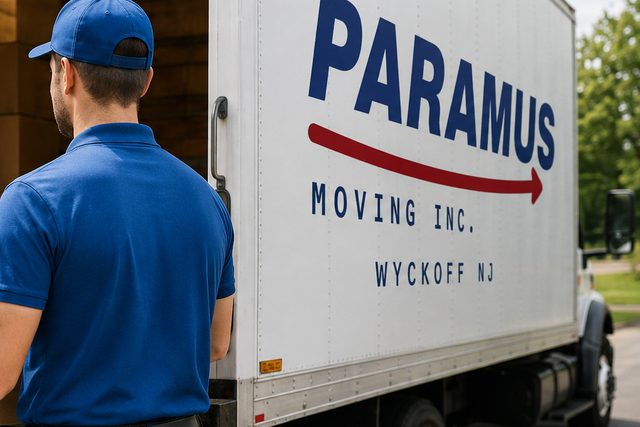
Antiques and estate moves are a regular part of our work at Paramus Moving — it’s the kind of job our customers describe in their reviews, and it’s why we do in-home estimates rather than guessing from a phone call. If your move includes pieces with history in them, we’d like to see them before we quote anything. The written estimate is free, as New Jersey law requires, and the conversation about what needs a crate and what needs a careful pair of hands is part of it.
Moving in Bergen County? Free written estimate — in person or by video.
Get my free estimate Call (201) 652-5554